
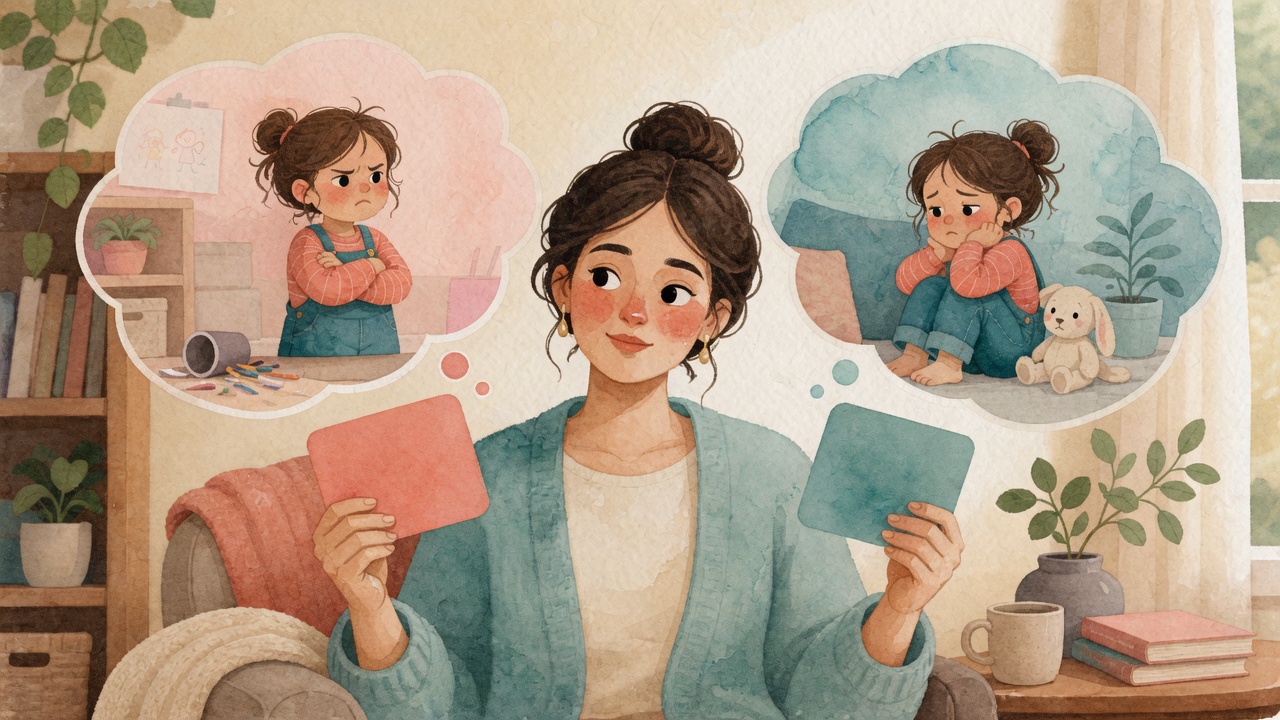
We all want to do right by our children. If we are honest, many of us look for information that tells us we are already doing the right thing. That deeply human habit has a name: confirmation bias.
Confirmation bias is the tendency to notice, believe, and remember information that supports what we already think while dismissing what challenges it.
Why parenting makes it worse
Bias is especially strong when emotions are involved, and parenting is intensely emotional. When an article, reel, or neighbour says ‘this worked for my child’, relief can feel like validation. But relief is not evidence.
Your child is not a template
What works for one child, family, or culture may not work for another. Development is shaped by context, temperament, environment, and relationships. Advice based on one family’s experience should be treated as a suggestion to test, not a universal rule.
Three questions before adopting advice
- What else might be true? Name the opposite possibility.
- What does the broader research say? One reel is a data point, not a verdict.
- Is this situational or evidence-based? Look for patterns across studies and experts.
Staying open is not doubting yourself
Awareness does not require second-guessing every decision. It means staying curious and willing to update. Children change, science changes, and advice that fit at three may not fit at seven.
The goal was never to be right all the time. The goal is to remain open enough to notice when something needs to change.