
A child melts down in the grocery store. You lean in and say, ‘You need to calm down.’ It does not work. That does not mean you are failing; it means you have met a biological reality of early childhood.
Self-regulation is often treated as an expectation for very young children, but there is a critical step that comes first: co-regulation.
The myth of early self-regulation
Self-regulation is the ability to manage energy, emotion, thought, and behaviour. Young children cannot do this consistently because the brain systems responsible for impulse control and emotional regulation are still developing.
When overwhelmed, children cannot access logic on demand. They need a bridge back to calm.
Co-regulation is the biological bridge
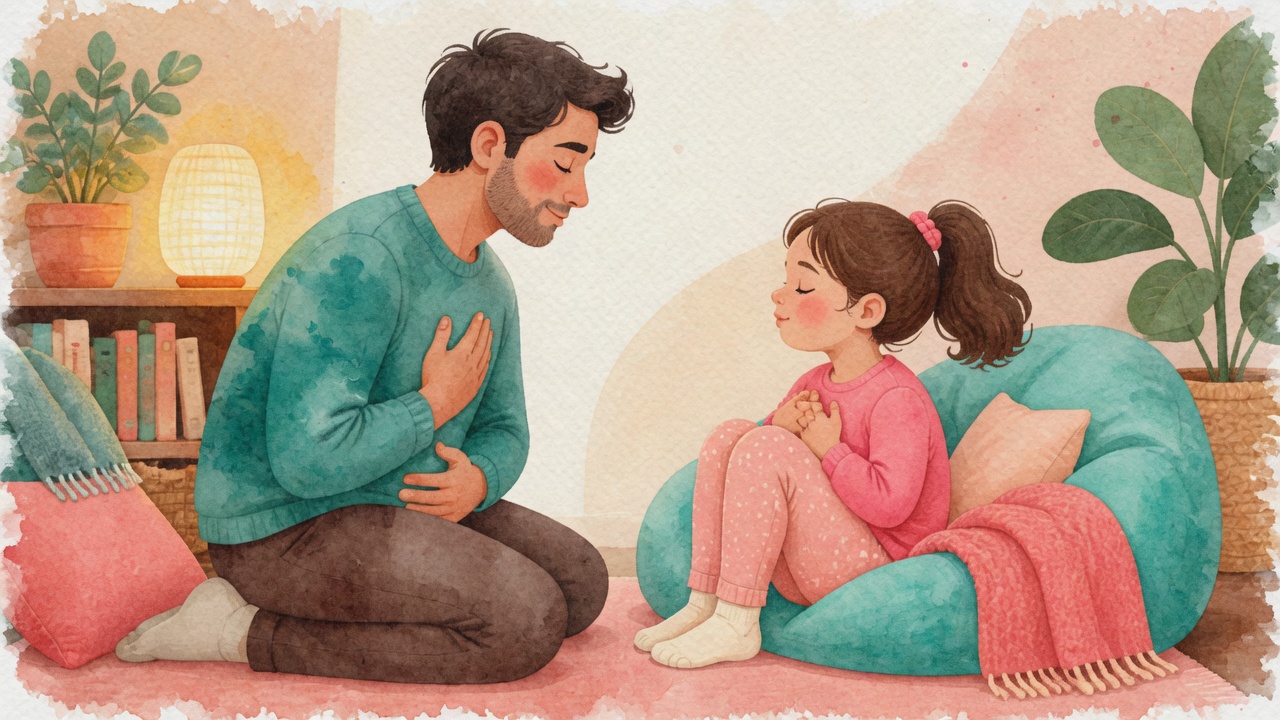
Co-regulation is the process by which a calm adult helps soothe and organize a child’s dysregulated nervous system. Steady breathing, a warm low voice, and comforting presence signal safety.
Before children regulate themselves, they borrow our regulation. Self-regulation grows from co-regulation practiced many times until the child gradually internalizes the process.
How to build this daily
- Offer your calm instead of matching their chaos.
- Name the emotion without rushing to fix it.
- Prioritize shared engagement over passive distraction.
- Use stories to explore feelings when the stakes are low.
The goal is not to stop every storm. It is to show children how to navigate one safely, together, until they are ready to steer themselves.